
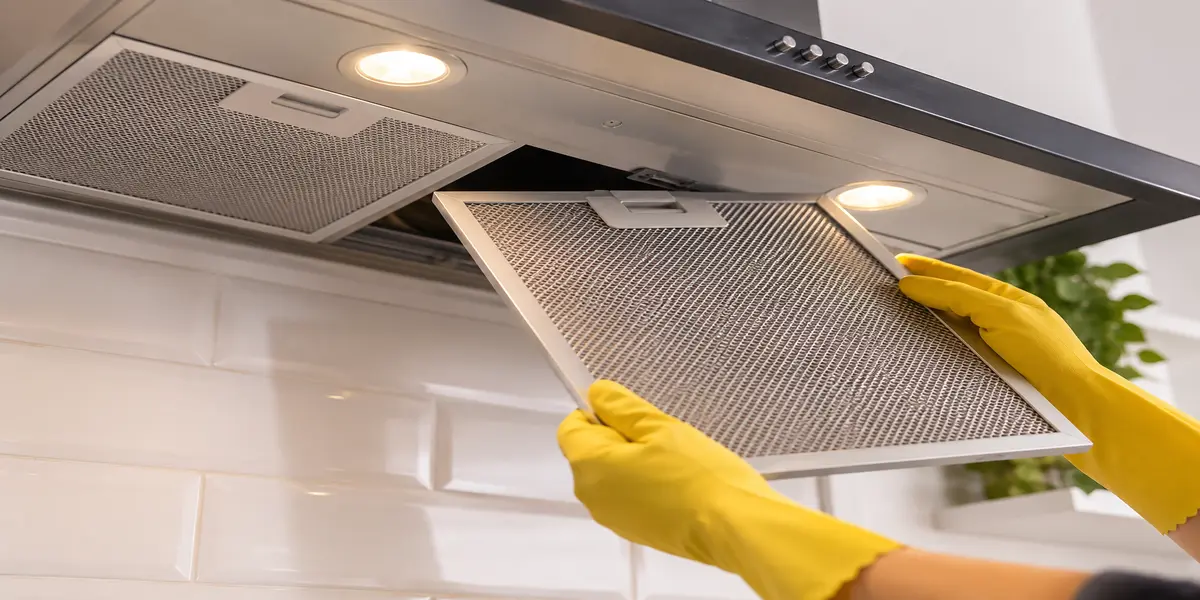
Rangehood Filters Cleaning Mistakes to Avoid Fast
Do you ever catch a glance while cooking and go like Oh…. No? That thick, yellow goop creeping near your frying pan – what is it? Two days gone, yet the air holds on to the scent of fried fish. Something about how it sizzled must’ve sealed the smell deep into the walls. Is your silent kitchen assistant hinting at a plea? Most homeowners overlook the one thing that helps keep out air toxic to breathe. That is why we sometimes see it when the grease is sufficiently thick. What happens when your usual way of cleaning backfires? Dive into how keeping the kitchen tidy might be trickier than it seems.
Waiting for the Gunk to Grow
Most people wait. That delay causes the real problem. Each moment the burner fires, grease spreads. Sticky layers pull in specks of dust along with crumbs small enough to ignore. Eventually, everything locks into a rough coating impossible to wipe away. Fans struggle when gunk blocks their escape routes. Pushed too hard, the system keeps running like nothing’s wrong. Heat piles up until something inside gives out suddenly; it just stops. Staying on top of cleaning saves you bigger trouble later. When things go wrong, it is already too late to fix quietly.
Using the Wrong Cleaning Tools
When you finally decide to start, don’t grab the steel wool. Using abrasive pads can scratch the delicate metal mesh. These tiny scratches become new homes for even more grease. You want to preserve the integrity of the filter material. Harsh wire brushes can also bend the thin aluminum frames. Once a frame is bent, it might not fit back properly. Over time, tough scrubbers leave openings that let grease slip into the system. Try using a soft sponge instead, or even better, a microfiber cloth. Filters treated this way tend to hold up much longer.
Ignoring the Power of Degreasers
Grease laughs at regular dish soap. Most folks rub hard with plain suds; nothing changes. A proper cleaner cuts through that sticky web of fat fast. Skip the science stuff? Then watch oil slide across the surface again. Sliding over the metal, it just won’t let go. Try cleaners made only for thick kitchen grease instead. Or leave it sitting in baking soda with hot water, and watch what happens next. The reaction lifts the mess while you wait nearby. For filters packed with stubborn buildup, many homeowners also turn to professional services like deep bond clean to restore kitchen airflow more effectively. Less effort means more calm when cooking later.
The Hot Water Mistake
Most people grab warm water from the sink without thinking. Yet that small choice slows everything down. Grease reacts badly when it meets anything but cold, clumping fast. Once hit by heat, oil shifts texture, thickening into something sticky and hard. Start with water that steams but won’t burn your skin. This heat softens grime so soap reaches deeper through the weave. Hidden grease lifts more easily when soaked slowly. Try filling a bowl you know won’t crack from warmth. Let pieces sit before scrubbing, if possible.
Forgetting the Deep Soak
Most folks get impatient when handling routine tasks. The best cleaning rangehood filter method involves a long, deep soak. Let the liquid sit for a minimum of twenty minutes to break down grime slowly. Later on, things get easier when grime loosens naturally. Skipping ahead means more effort scraping later. With enough time, gunk slips away without force. Walk away while it works, maybe drink something warm. Less strain now saves energy down the road.
Dishwasher Disasters and Discoloration
Many people try cleaning rangehood filters in dishwasher cycles to save time. At first, it might sound clever enough. Yet dishwashing soaps tend to be too rough for aluminum surfaces. High alkalinity often leads the material to darken over time. Once that change happens, there is no going back, and in a kitchen, it shows clearly. Over time, it may weaken the metal. Stainless steel filters could handle things better. Before starting up, look at what the maker says in their guide. Mistakes pile up when you rush past a moment’s pause. A small look now prevents big problems down the road.
The Clogged Dishwasher Drain
First up, consider how messy things get during clean-up. Just because it can go in the dishwasher does not help much once gunk builds up on its own. That thick layer on the filter? It won’t just vanish. Instead, it spreads coating pipes, gumming up spray arms. One chore becomes two before you know it. Most times, taking the fast route just adds steps later. When tossing rangehood filters into the dishwasher, give them a quick wash before that. Clear off thick grease by hand at the sink ahead of time. That way, gunk won’t stick inside the machine and cause a stink. A small effort up front helps everything last longer.
Skipping the Rinse Cycle
After removing the grease, work isn’t done yet. A lot of folks skip rinsing the cleaner away completely. Soap left behind pulls in fresh dirt at surprising speed. That sticky film catches whatever floats by. Rinsing the mesh under cool running water works well. As you go, give the filter a light shake so leftover soap does not linger. When your fingers run across the surface, it should make a slight noise if it’s clean enough. Taking time here means less grime builds up later on. Tiny effort now keeps things working smoothly down the line.
The Danger of Damp Filters
Water inside the filter spells trouble if you reinstall it. That dampness invites mold instead of fresh air. Stuck moisture might eat away at the hood’s inner parts. Rust could creep into the fan motor before its time. Out in the open, spread the filters across a clean towel under sunlight. Wait until every part feels light and fully dried. This can stretch several hours if the air’s damp. Time spent waiting keeps your cooking space fresh and free of moisture risks. Only when crisp to the touch should you put them back where they belong. Nothing works better than a bone-dry filter at doing its job right.
Neglecting the Hood Interior
Clean filters mean nothing if the casing is grimy. Most overlook the box that holds them. Grease flies during cooking, coating the inner sides and lamp shields. The same greasy residue can slowly spread onto nearby painted surfaces too, leading many homeowners to look for ways to clean walls safely without removing the paint. When grease builds inside, it drags down filter life fast. Start by cleaning the inner rim using a cloth soaked in degreaser. Be careful near cables and rotating pieces while working. That buildup tucked out of sight? Gone means less chance of flames starting up. Smells better, too, when the heat hits the pan next time. Skip nothing if you want it truly clear.
The Importance of Regularity
Now and then, grease builds up in that filter above your stove. Cooking fried meals most days means it needs a wash about monthly. Not frying much? A cleanup every few months does just fine. Try tagging a note in your phone so you won’t forget when next time rolls around. Grease stays loose when you keep at it regularly. Faster wipes replace long scrub sessions, thanks to steady habits. Soaking pots for ages? That fades away with routine care. Little actions, done often, clear grime before it piles up. A kitchen that breathes comes from never falling behind.
Checking the Carbon Filters
Most rangehoods that push air back into the room hide a surprise. Inside, there’s usually a charcoal or carbon filter doing quiet work. Owners often overlook them completely. Water will ruin these parts – washing isn’t an option. Some think cleaning is possible; it really isn’t. Every half year, swap them out so they keep working right. When blocked, even rinsing the outside filter does nothing at all. Smoke lingers. Smells stick around, too. Look inside the booklet that came with your unit, and find out whether yours needs these. The air you breathe indoors stays cleaner when these parts stay new.
Reinstalling with Proper Care
Back at it again, snapping things into place needs patience. When those little tabs click shut, you know it’s secure. Facing the wrong way? That won’t work, turn it right first. Rattling happens if it’s not tight enough. Falling free while cooking might ruin the glass surface below. Front and back matter most for smooth air movement. When it resists snapping in, stop pushing. Look closely, something might block it, maybe a warped edge or debris caught in the frame. Only when everything aligns does performance match expectations. That moment? You’ve earned the title of kitchen care pro.
The Joy of a Clean Kitchen
A quiet pride settles in when every detail clicks into place. Freshness hangs in the air, carried on clean countertops and clear reflections. Sticky spots vanished, just like the fear of sudden flames near the stove. Most people trip over shortcuts; yours held steady, step by step. That metal survived because you skipped tossing it into the dishwasher without thinking. Now the fan hums softer, pushing breezes like it meant to. Meals come together more easily when the air feels lighter.
A cleaner kitchen often inspires homeowners to refresh other areas of the home too, including spaces that benefit from professional carpet cleaning. Look there – glinting under kitchen light, the mesh gleams like something earned. The toughest cleanup bowed down today, handled. Quiet victory tastes like dinner tonight.