
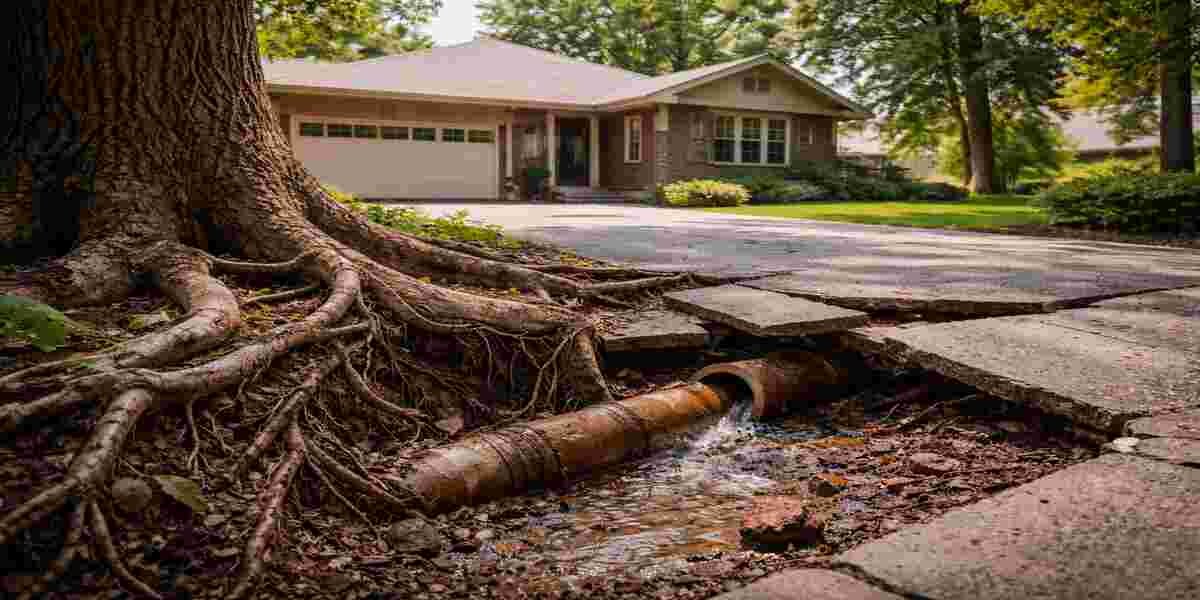
Tree Roots Risk To Your Property And Home Structures
Have you ever noticed the cracks on the driveway, patched pavement and decided that there is slow drainage in your house and you have guessed that it may be because of the trees in the backyard? The stems of the trees are durable, gripped and false. The trees are beautifying your house offering shade and worth to it, but their roots are moving under the ground, searching water and nutrients.
This growth is usually harmless most of the time, according to professional teams. However, there are other occasions when roots can even penetrate structures and can be a genuine hazard to your property. We will have a more precise look at the behaviour of tree roots and when they are problematic and what can be done to keep them under control.
1. Growth and Spread of Tree Roots
The roots of trees would not penetrate deeper than they needed to, on the contrary, most of them grow horizontally, and not more than the top 12 to 18 inches of earth since this is where the moisture and oxygen are most abundant. They are able to go up to two or three times the size of the canopy of the tree, that is, even trees that are many miles away your house may have foundations, pipes or paths.
Roots are also naturally in search of water, and so, they will migrate to leaking pipes, wet soil, and broken drainage lines- which is usually the starting point of the troubles.
2. When Tree Roots Become a Structural Menace
Roots in themselves, do not break solid foundations but may make use of weakness. Having small cracks on the foundation will only be exacerbated by growing roots, which will push into the crevices. On the same note, roots are capable of lifting and moving driveways, sidewalks, patios and retaining walls resulting to uneven surfaces and creating a tripping hazard. Big trees strategically positioned too near buildings can also dehydrate soil underneath foundations resulting in settling or moving with time.
Warning signs include:
- Cracks in walls or concrete
- Uneven or lifting pavements
- Doors or windows that are sticking out.
- Conspicuous roots towards structures.
These signs are evidence that it is time to be professionally evaluated.
3. Tree Roots, Plumbing and Drainage Systems
Among the most frequent problems that tree roots create on the properties is underground in sewer and water lines. When the pipes are old, broken or not sealed, roots sense the presence of moisture and develop within them. With time, they would tend to block drainage, back up, or even burst the pipe completely. Persistent blockages, slow flushing of the toilet, or gurgling of pipes are the signs of root intrusion. This is a very expensive damage that can be prevented by frequent inspection of the plumbing system, and the use of modern pipes.
4. What Trees are the Most Risky?
All trees are not equally dangerous. The aggressive species of roots, including willow, poplar, eucalyptus, ficus, and silver maple, were likely to spread a lot and aggressively seek water. These should not be planted too near houses, boundary walls or underground services as this raises the chances of risk. On the other hand, other trees such as the magnolia, oak or ornamental flowering species are usually less invasive in their root systems but space is still a concern, particularly during trees drought stress. A simple guideline: the bigger the tree when it grows, the far it is to be planted away the buildings.
5. Safe Management and Prevention
Ideally, prevention is the best remedy that can be achieved by proper planning and planting distance. Establish research mature size and spacing before planting new trees. In case of pre-existing trees that already create issues, do not go ahead and do DIY root cutting – incorrect pruning may result in the disequilibrium of the tree or even death and create safety risks. In some cases, removal is the safest way to go in case the roots are a danger to the foundations or utilities, as highlighted by the expert crew.
Conclusion
Roots form the stability, and that is the health of the trees, but in the wrong location, they cause expensive damage to the property. Knowing the mechanisms of their propagation, being able to notice warning signs, and addressing the problem to an expert can spare you structural problems and costly damage.